
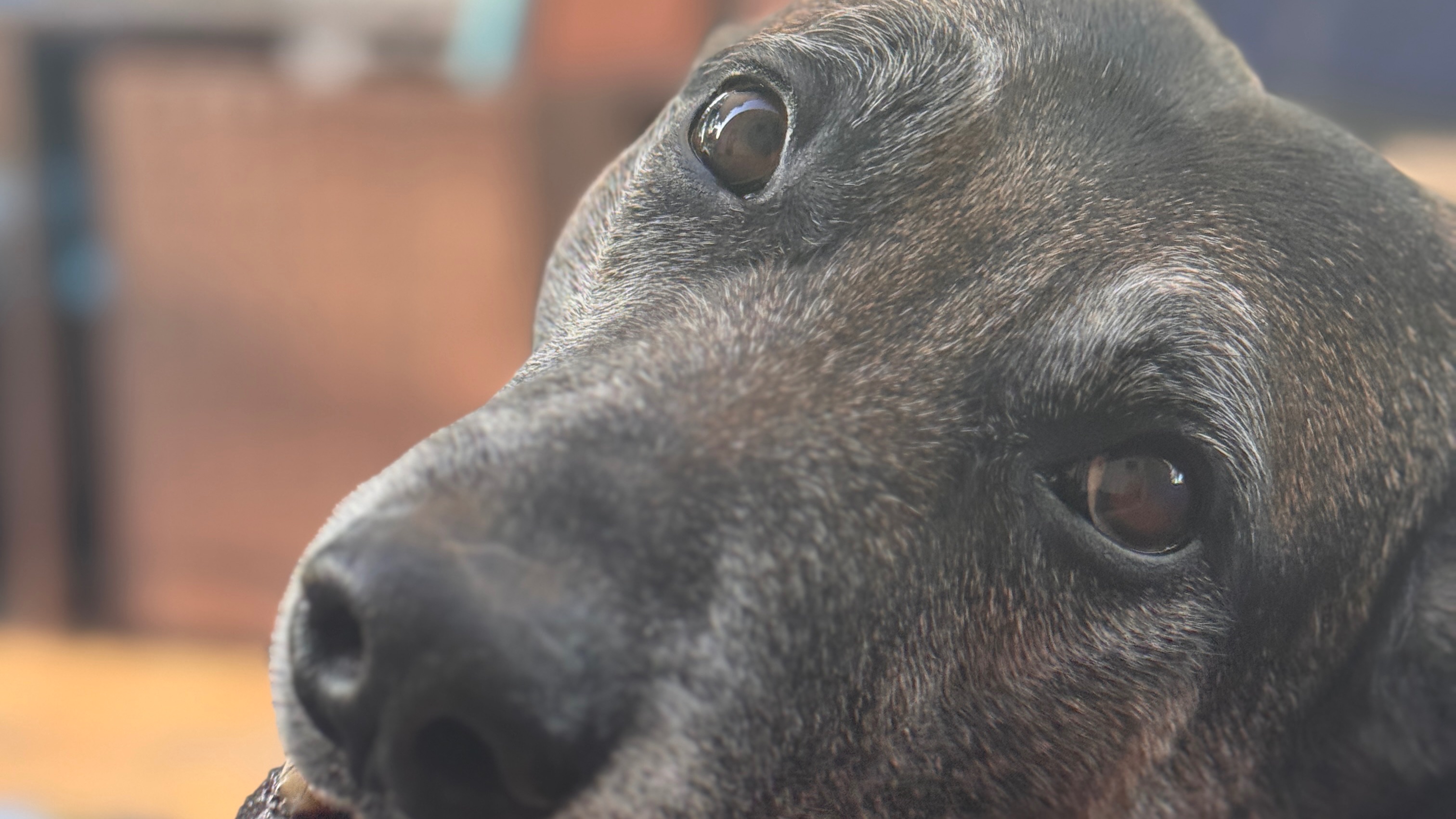
Why You Should Consider Adopting a Senior Dog in Sarasota
Apr 30, 2026There is a particular kind of dog at most shelters in Sarasota. He is past the tumbling, needle-toothed puppy phase. She is not performing acrobatics in the kennel to get your attention.
They are often lying quietly, watching the room with eyes that have seen a great deal of life and still have so much left to give.
Senior dog adoption is one of the most overlooked decisions in pet ownership, and the people who have done it almost universally say the same thing: they had no idea what they were missing.
What "Senior" Actually Means Across Breeds
The definition shifts significantly depending on the dog. Large breeds like Great Danes and Bernese Mountain Dogs reach senior status around five years old because their lifespans are shorter. Medium breeds enter their senior years around seven. Small breeds, with their longer life expectancy, may not be considered senior until ten or eleven.
A seven-year-old Miniature Poodle has potentially eight or more vibrant, healthy years ahead. Adopting a senior does not automatically mean short-term; it means choosing a dog at a stage of life that, for most people, aligns beautifully with the kind of companionship they were actually hoping for.
The Myth That Needs Dismantling
The single most damaging misconception about senior dog adoption is that these dogs end up in shelters because something is wrong with their behavior. The reality is almost entirely the opposite. The majority of senior dogs are surrendered due to changes in their owner's circumstances, illness, a move to assisted living, a family member's death, or a new living arrangement that does not permit pets.
These dogs come with the full weight of being someone's beloved companion already built into them. They know how to be a dog in a house. They know how to read people. What they need is not rehabilitation. They need a home.
The Training Question: Old Dogs and New Tricks
One of the most persistent falsehoods in dog ownership is the idea that older dogs cannot learn. It is simply not true. Dogs continue to form new associations and acquire new behaviors throughout their lives.
The advantage a senior dog brings to training is that they have usually outgrown the chaos of adolescence, the destructive chewing, the impulsive reactions, and the hyperactive attention span that makes a two-year-old Labrador both lovable and exhausting.
Dog training for senior dogs is often smoother, more focused, and faster to produce reliable results precisely because the dog is emotionally settled.
For senior dogs that arrive with behavioral patterns that need adjustment, resource guarding, leash pulling, or anxiety from their previous life, professional trainers who understand the intersection of age, history, and learning can produce meaningful change without pushing an older dog beyond what is physically or emotionally appropriate.
Adopting a Senior Dog in Sarasota: The Practical Reality
Sarasota has a year-round population of senior dogs available through local rescues and shelters, and the adoption process is often faster than with puppies, which frequently have lengthy waitlists.
Many senior dogs are already house-trained, leash-aware, and comfortable with basic household routines. The adjustment period, where any new dog decompresses and establishes trust in their new environment, still applies, but it is typically smoother with an older dog who has lived in a home before.
Health considerations are real and worth acknowledging honestly. Senior dogs may have chronic conditions that require management, and veterinary care becomes more involved with age. This is not a reason to avoid adoption; it is a reason to go in informed, with a veterinarian relationship already established and a willingness to invest in the care that good years together require.
The Emotional Dimension Nobody Warns You About
People who adopt senior dogs often describe an emotional quality to the relationship that is difficult to articulate.
There is something profoundly moving about a dog who has lived a whole chapter of life already choosing to bond with you completely. That trust, given by an animal who has reason to be cautious, carries a particular weight.
Many adopters report that their senior dog seemed to understand, in some deeply intuitive way, that they had been given a second chance, and the gratitude expressed in their quiet, steady companionship becomes one of the great unexpected gifts of their lives.
A Final Word on Why Now
Every day a senior dog spends in a shelter is a day of their finite, beautiful life spent waiting. The urgency is real. The reward is immeasurable. And at DogSports4U Academy, we have a special place in our hearts for seniors, as we know that a well-trained companion of any age is a life companion, and sometimes, the most remarkable chapters start later than expected.
FAQs
Don't miss a beat!
New tips, motivation, and classes delivered to your inbox.
We hate SPAM. We will never sell your information, for any reason.
