
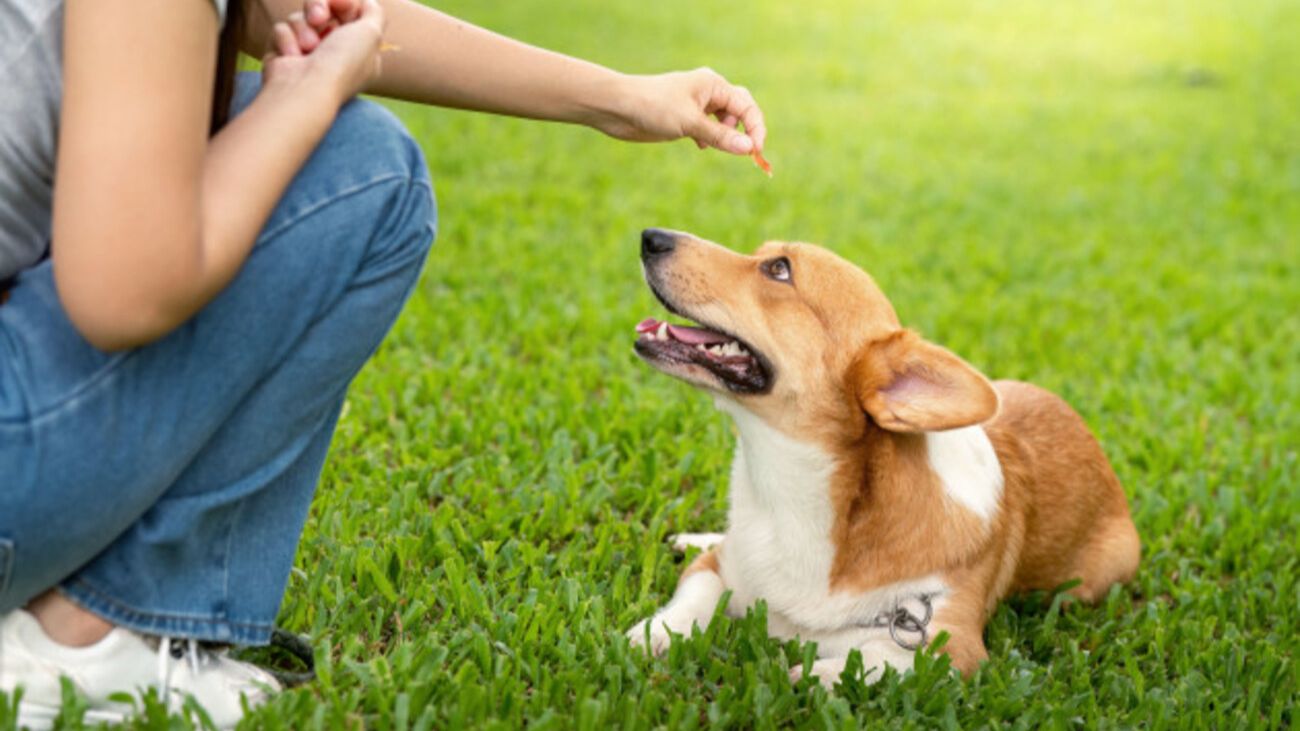
How to Transition a Pet Into Therapy Dog Training in Sarasota
Apr 21, 2026You have watched your Golden Retriever settle quietly next to a grieving stranger at a community event, or seen your Standard Poodle bring an involuntary smile to someone who had not smiled in days, and you recognized something in that moment.
Therapy dog training in Sarasota is the formal development of that innate gift, the deliberate cultivation of a dog's natural empathy and social fluency into a consistent, certifiable, and deployable skillset.
The transition from beloved household companion to certified therapy dog is not complicated, but it is specific, and understanding the pathway clearly saves owners months of misdirected effort.
What a Therapy Dog Is and Is Not
Therapy dogs are not the same as service dogs. They do not perform tasks that mitigate a handler's disability, and they do not have the public access rights granted under the ADA.
Instead, therapy dogs visit hospitals, rehabilitation centers, schools, memory care facilities, libraries, and crisis response environments as part of a handler team, offering comfort and positive interaction to the people they encounter.
The benefit is therapeutic in nature but directed toward others, not the handler. This distinction matters enormously in therapy dog training programs because the dog must be conditioned to engage with an unpredictable variety of people, equipment, and environments without the protection of task-focused work to anchor its behavior.
Therapy Dog Training Programs: The Temperament Assessment Comes First
Not every dog is a therapy dog candidate, and that is not a deficiency. A therapy dog visits environments where it will encounter individuals in acute physical or emotional distress, unfamiliar medical equipment, unusual sounds, sudden movements, and inconsistent handling from strangers who may not know how to approach a dog appropriately. The dog must remain fully composed through all of it.
Breeds known for exceptional human-directed empathy, such as Cavalier King Charles Spaniels, Golden Retrievers, Labrador Retrievers, and Bernese Mountain Dogs, are overrepresented in therapy work for good reason.
Their temperament consistency, social orientation, and stress tolerance make them naturally suited to the demands of the role.
A temperament evaluation looks specifically at the dog's response to sudden sounds, unusual surfaces, medical equipment like wheelchairs and IV poles, handling from strangers, including head-touching and hugging, and the ability to recover composure quickly after a mildly startling event.
A dog that passes this evaluation has the raw material. Therapy dog classes and structured training build the reliability and consistency that turn that raw material into a certified team.
Dog Training for Autism Therapy Dogs: A Specialized Application
Therapy dogs working in autism-support environments carry specific behavioral requirements that go beyond general therapy dog certification. These dogs are deployed with children who may vocalize unpredictably, move suddenly, approach atypically, or engage in repetitive physical behaviors that an unprepared dog would find alarming.
The conditioning protocol for autism therapy work includes extensive desensitization to these specific interaction patterns, with the dog learning to remain soft, engaged, and calm through scenarios that a general therapy dog may never encounter.
The dogs that thrive in this role are typically those with the highest tolerance for novelty and the most intrinsic social motivation.
Therapy Dog Classes: Building the Behaviors That Certification Requires
The AKC Canine Good Citizen certification is the foundational credential for most therapy dog organizations. It covers skills including accepting a stranger's greeting calmly, tolerating grooming and examination, walking politely on a loose leash, sitting or lying down on cue and remaining there, coming when called reliably, and behaving appropriately around other dogs and distractions.
Once CGC is achieved, therapy-specific training adds the environmental conditioning, handler protocols, and organization-specific requirements that allow the team to visit facilities professionally.
The handler's role in therapy dog classes is as important as the dog's. Handlers learn how to advocate for their dog's comfort during visits, how to read the dog's subtle stress signals before they reach threshold, how to structure visits for optimal dog welfare and visitor benefit, and how to manage unpredictable interactions gracefully.
A therapy dog team is only as effective as its weakest communicator, and investing in handler education is inseparable from investing in the dog's training.
The Transition Timeline
A dog entering a therapy dog training program with a solid obedience foundation and a temperament-assessed disposition can realistically achieve CGC certification within two to four months of focused work.
Therapy organization certification, which involves facility visits under observation, typically follows within one to three months of CGC completion.
The full transition from household pet to certified, active therapy team takes most dogs six to nine months when training is consistent, the dog's temperament is genuinely suited to the work, and the handler is actively engaged in developing their own skills alongside the dog.
Where Purpose Meets Paw Print
The moment a therapy dog lowers its head into the lap of a child who has not spoken in three sessions, or settles quietly beside a veteran during a crisis support visit, the entire arc of training condenses into a single act of profound connection.
This is the work that therapy dogs were developed to do, and preparing them for it correctly is a responsibility that deserves the same rigor and expertise applied to any other form of elite canine development.
At DogSports4U, therapy and service dog preparation is guided by trainers who understand both the technical demands and the ethical weight of the role to train your dog.
FAQs
Don't miss a beat!
New tips, motivation, and classes delivered to your inbox.
We hate SPAM. We will never sell your information, for any reason.
