
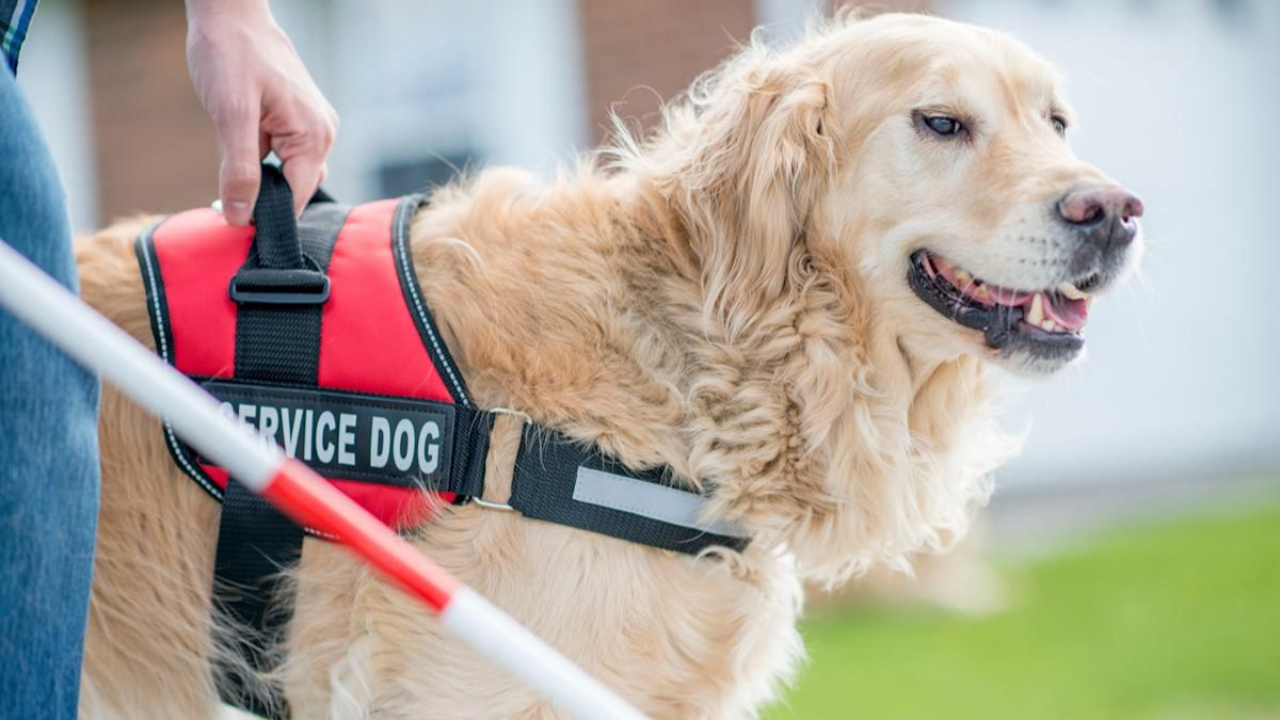
How to Prepare Your Dog for Service Dog Training
Feb 26, 2026A service dog could transform your daily life, providing independence and support in ways medication and adaptive equipment cannot. Perhaps you've already selected a prospect, a young dog showing promise and the right temperament for service work. Or maybe you're just beginning the journey, trying to understand what lies ahead.
Either way, you're facing a crucial truth, that success in Service Dog Training Sarasota programs depends heavily on the foundation established before formal training even begins.
Let’s go over the requirements for the service dog training program.
What Service Dog Work Demands
Before starting preparation strategies, you need a clear understanding of what service-dog life actually entails.
These aren't pets who occasionally perform tricks. They're working partners who must maintain composure and performance in situations that would overwhelm most dogs.
Service dogs navigate crowded restaurants while ignoring food dropped nearby. They remain calm during medical emergencies when their handler needs them most. They focus on tasks despite fascinating dogs, compelling smells, or frightening noises.
They work in sterile medical facilities, chaotic airports, quiet libraries, and everywhere in between. This versatility demands extraordinary preparation.
The public access component alone eliminates most dogs from consideration. Your service dog prospect must remain essentially invisible in public, except when performing tasks. No soliciting attention from strangers, no reacting to other dogs, no investigating interesting smells or sounds. Just calm, focused work alongside their handler regardless of environmental chaos.
Task performance adds another layer of complexity. Whether retrieving dropped items, alerting to medical changes, providing balance support, or performing specialized disability-related tasks, each skill requires precise training and unwavering reliability.
Dogs who tire easily, become stressed under pressure, or lack focus won't succeed regardless of how much you love them or want them to work.
Foundation Skills That Enable Success
Preparation for service dog training begins with rock-solid foundation skills that create the framework for everything that follows. These aren't fancy or specialized. They're basic competencies that every service dog must master before advancing to task training or public access work.
Settling and calmness, when trained as behaviors, surprise many people. Service dogs spend substantial time waiting quietly while handlers work, eat, attend appointments, or travel. A dog who can't settle independently and who constantly seeks interaction or stimulation lacks the temperament for service work, regardless of other abilities.
Health and Physical Preparation
Service dog work places physical demands on dogs that require careful health management and conditioning. A dog experiencing pain, discomfort, or physical limitations cannot perform reliably or should not be asked to work through issues that compromise their welfare.
A thorough veterinary evaluation establishes baseline health and identifies any conditions that might affect service work ability. Joint issues, heart problems, vision or hearing deficits, or other health concerns may not prevent service work entirely, but should be considered when selecting roles and training tasks.
Managing Temperament and Drive
Not every dog possesses the temperament for service work. Some lack the necessary confidence, focus, or resilience, no matter how much training they receive.
Working dogs regularly face novel, sometimes frightening situations. They must recover quickly from surprises, approach new experiences with curiosity rather than fear, and maintain composure under pressure.
Service dogs experience failures during training, uncomfortable situations in the field, and stress throughout their careers. Resilient dogs bounce back quickly, remain willing to try despite difficulties, and don't become discouraged by challenges.
Some dogs naturally orient toward their people, while others prioritize the environment over the handler. Service dogs need strong, innate handler orientation that training can refine into rock-solid focus, even in chaotic settings.
Service dogs need sufficient energy and drive to work through long days, but not so much that they struggle to settle during downtime. The hyperactive dog lacks the required settling ability. The low-energy dog might not have the stamina for full working days. Moderate energy with good settling skills provides an ideal balance.
Careful assessment of your dog's sound reactivity helps predict their ability to handle real-world working conditions.
The DogSports4U Approach to Service Dog Preparation
Service dog training isn't quick. Professional programs typically require 18 to 24 months of intensive training to produce fully qualified service dogs. Owner training can take even longer, particularly for handlers new to dog training or handling complex disabilities.
Our team at DogSports4U in Sarasota offers a unique, customized service dog training program for Sarasota County, customized to each dog. Contact us now train your dog!
FAQs
Don't miss a beat!
New tips, motivation, and classes delivered to your inbox.
We hate SPAM. We will never sell your information, for any reason.
