
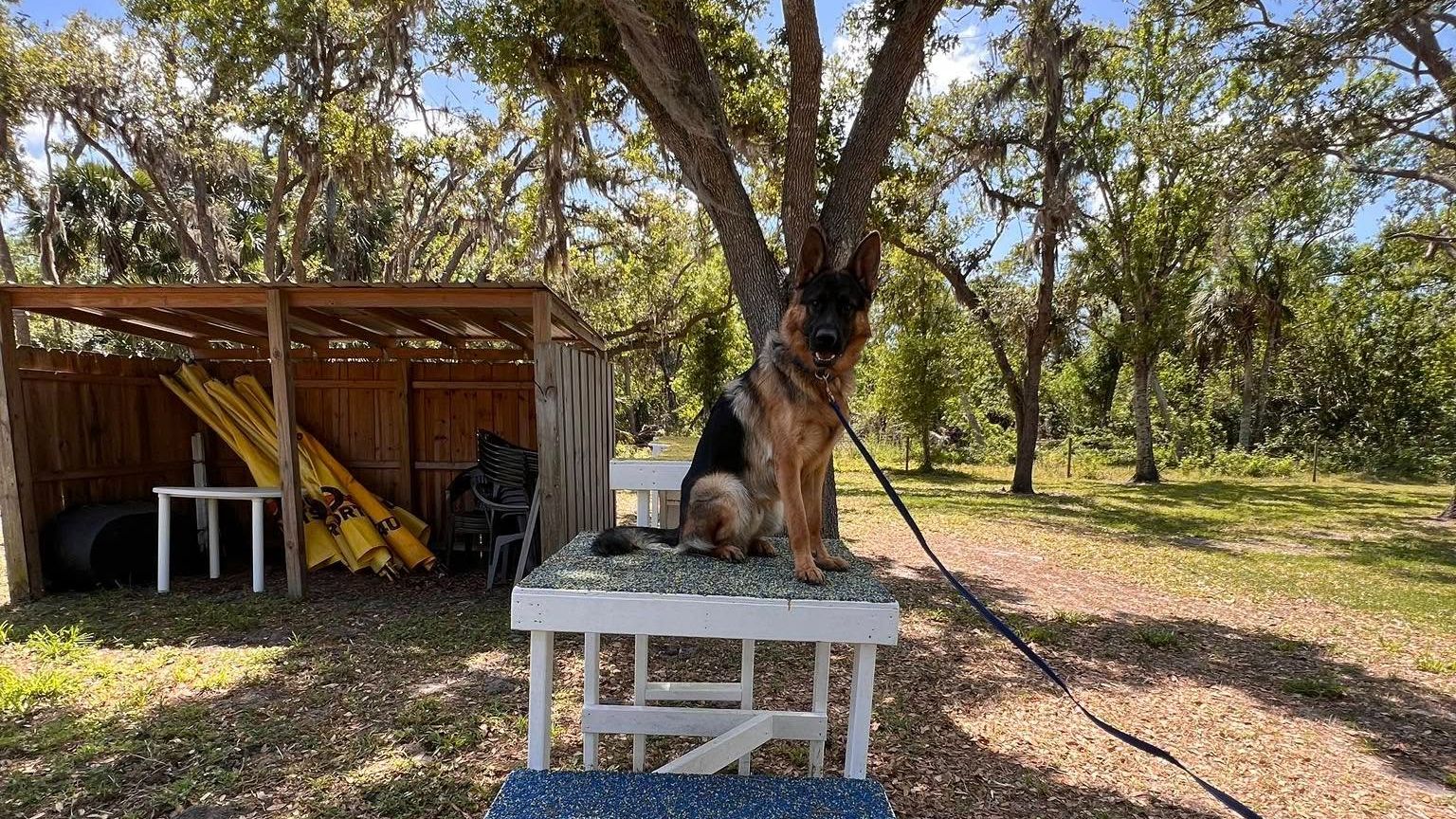
Supportive and confident connection and Aggressive Dog Training
Dec 26, 2025If you’ve started avoiding evening walks because passersby feel uneasy around your dog, and every doorbell sends them into a frenzy, you’re not alone.
What begins as a few small adjustments quickly turns into something heavier. Living with aggression isn’t just stressful. It’s isolating. Neighbors judge. Friends stop coming over, and you’re left exhausted, managing what feels like a ticking time bomb.
The guilt hits hardest.
You wonder if you failed your dog somehow. Maybe you missed early warning signs. Perhaps you chose the wrong training approach. That constant worry about someone getting hurt keeps you awake at night.
But here's what most people don't realize: aggressive behavior rarely means you have a bad dog.
Most of the time, it's a dog struggling to communicate fear, anxiety, or complete overwhelm. And that changes everything about how we approach aggressive dog training.
How to Train an Aggressive Dog Without Making Things Worse
Confrontation never works. Yelling, physical corrections, or alpha rolls escalate tension. Your dog learns you're unpredictable and possibly dangerous. Trust disappears. Fear increases. The aggression intensifies.
We need a completely different approach.
Emotional regulation comes before obedience to commands. A dog in a heightened emotional state can't learn. Their brain is flooded with cortisol and adrenaline.
At Dogsports4u, we teach dogs to recognize their own arousal levels first. We create distance from triggers. We build back confidence through clarity and positive associations slowly. Only when a dog can maintain calm awareness do we introduce commands and expectations.
Stopping biting and growling in dogs requires us to address the underlying emotion driving the behavior. Suppressing the growl doesn't fix the fear. It just removes your dog's warning system, making bites more likely without warning.
Instead, we set them up for success so we can reward calm choices. We teach alternative behaviors that meet the same need. We systematically desensitize dogs to their triggers while building confidence through success.
Small victories compound. A dog who can hold his task given instead of fixating on another dog. A dog who can take a treat during a stressful moment. A dog who chooses to do his job that he is proud of rather than lunge forward.
These aren't just training wins. They're trust and confidence being rebuilt one decision at a time.
Sustainable Change Through Thoughtful Behavior Modification
Quick fixes don't exist in aggressive dog training. Anyone promising instant results either doesn't understand the complexity of aggression or doesn't care about your dog's emotional well-being.
Behavior modification for aggressive dogs is methodical. It's strategic. It happens in layers.
We start by identifying specific triggers and measuring current thresholds. Does your dog react at 50 feet from another dog, or five feet? Does movement trigger the response, or just proximity? Every detail matters.
Then we build a foundation of basic emotional communication. Not rigid obedience, but genuine connection. Your dog needs to understand that you're trustworthy, that you'll advocate for them, that they don't have to handle every perceived threat alone.
Next comes gradual exposure at sub-threshold levels. This means keeping your dog under the stress level where reactive behavior kicks in. We're building positive associations and new neural pathways. This takes time. Rushing this stage undoes all previous progress.
Handler education matters as much as dog training. You'll learn to read subtle body language. You'll recognize early warning signs. You'll develop timing and consistency in your responses. We will teach you how to use your own voice and body “to speak dog”. The most effective aggressive dog training happens when handlers become skilled observers and communicators.
When You Need Specialized Support
Some cases require more than standard training protocols. Deep-seated aggression rooted in genetics, trauma, or neurological issues needs professional assessment.
A qualified dog behaviorist for aggression brings specialized knowledge in areas that most trainers never study. They can distinguish between different types of aggression and design protocols accordingly.
Working with a behaviorist doesn't mean you've failed. It means you're committed to giving your dog every advantage. Complex cases need layered solutions. Sometimes that includes management strategies, environmental modifications, medication support, and intensive training combined.
Dog Aggression Training Englewood: Our Philosophy
Here's what makes our approach different.
We don't use one-size-fits-all solutions. Your dog's environment matters. Their history matters. Your lifestyle and physical capabilities matter. We design aggressive dog training plans around real life, not theoretical ideals.
Our facility in Englewood provides controlled environments for gradual exposure. We have the space, the equipment, and the experience, knowledge and expertise to work through challenging behaviors safely.
Every session builds on the previous one. We track progress meticulously. We adjust protocols based on what's working. We celebrate small victories while keeping the bigger picture in focus.
Safety is non-negotiable. For your dog, for you, for everyone involved. We use management tools appropriately. We don't put dogs in situations they're not ready for. We prioritize long-term emotional health over short-term obedience.
Creating a Different Future
Aggressive dog training done right changes lives. Not just your dog's, but yours too.
If you're ready to stop managing crises and start building trust, let's talk. Your dog's aggression didn't develop overnight. Fixing it won't happen overnight either. But with the right approach and committed guidance, real change is absolutely possible.
Don't miss a beat!
New tips, motivation, and classes delivered to your inbox.
We hate SPAM. We will never sell your information, for any reason.
